
Edit the key art, not the faces. Then take it to every market and screen.
Change dates, taglines and titles across a release, set the title treatment for each market, and adapt a local ad card for each affiliate city, with a map of where each edit changed the image.
Creative work, in context
Most of the work begins after the key art is approved.
Release dates move, each market needs its own title and every screen has its own shape. These examples follow a fictional streaming series and a fictional broadcaster through that work. One key art takes 25 edits in a row, its title treatment moves into seven more markets and its TV banner becomes a pause ad, while a local ad card gains a version for each affiliate city and a sports promotion moves to the next competition.
Key art edits
Make 25 edits in a row while her face stays as photographed.
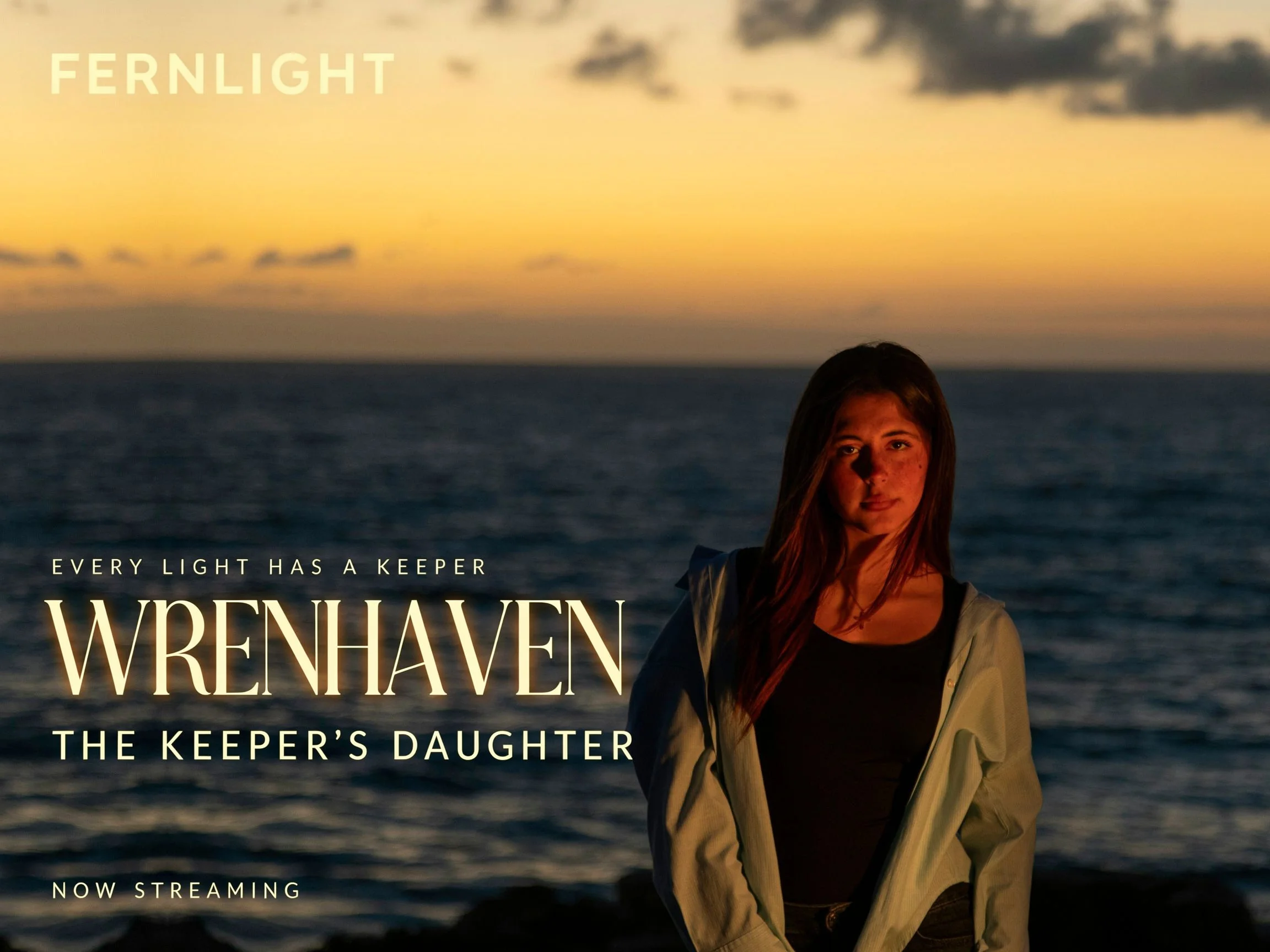
The published Wrenhaven key art took 25 edits in a row, each applied to the previous result. Along the way the date line and tagline changed, a seal was added and restyled, her jacket turned deep wine red, the subtitle moved through six languages and back, and a sponsor slot was added. Compare edit 25 with the published version, then open the edit-area map to see that every change sits on the lettering, the seal, the sponsor slot or her jacket.
Explore the complete studyCompare the key art
Edit 25
This is the key art after 25 edits in a row, each applied to the previous result.
Title treatments
Set the title treatment in each market’s own words.
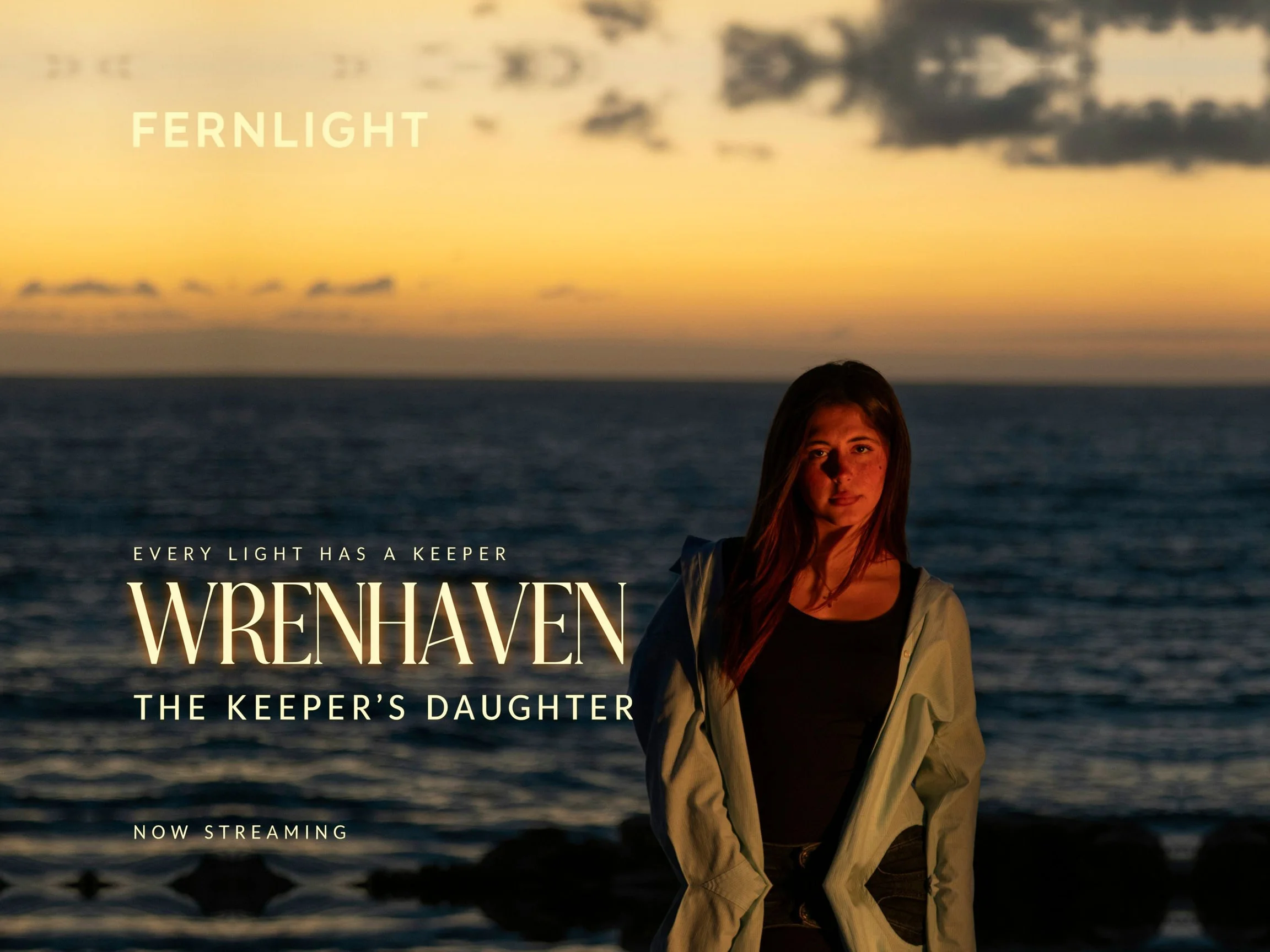
Seven market versions start from the same English key art. Latin-script markets keep the series name and localize the subtitle, tagline and date line. Japan, Korea and the Arabic-language market receive the whole title in their own script. The photograph around the lettering stays untouched.
The market titles are sample localizations for a fictional series. Have native speakers review every title before release.
Explore the complete studyExplore the markets
English
This is the published key art, with the subtitle THE KEEPER’S DAUGHTER.
Ad-supported streaming
Turn the home banner into a pause ad with a sponsor slot.
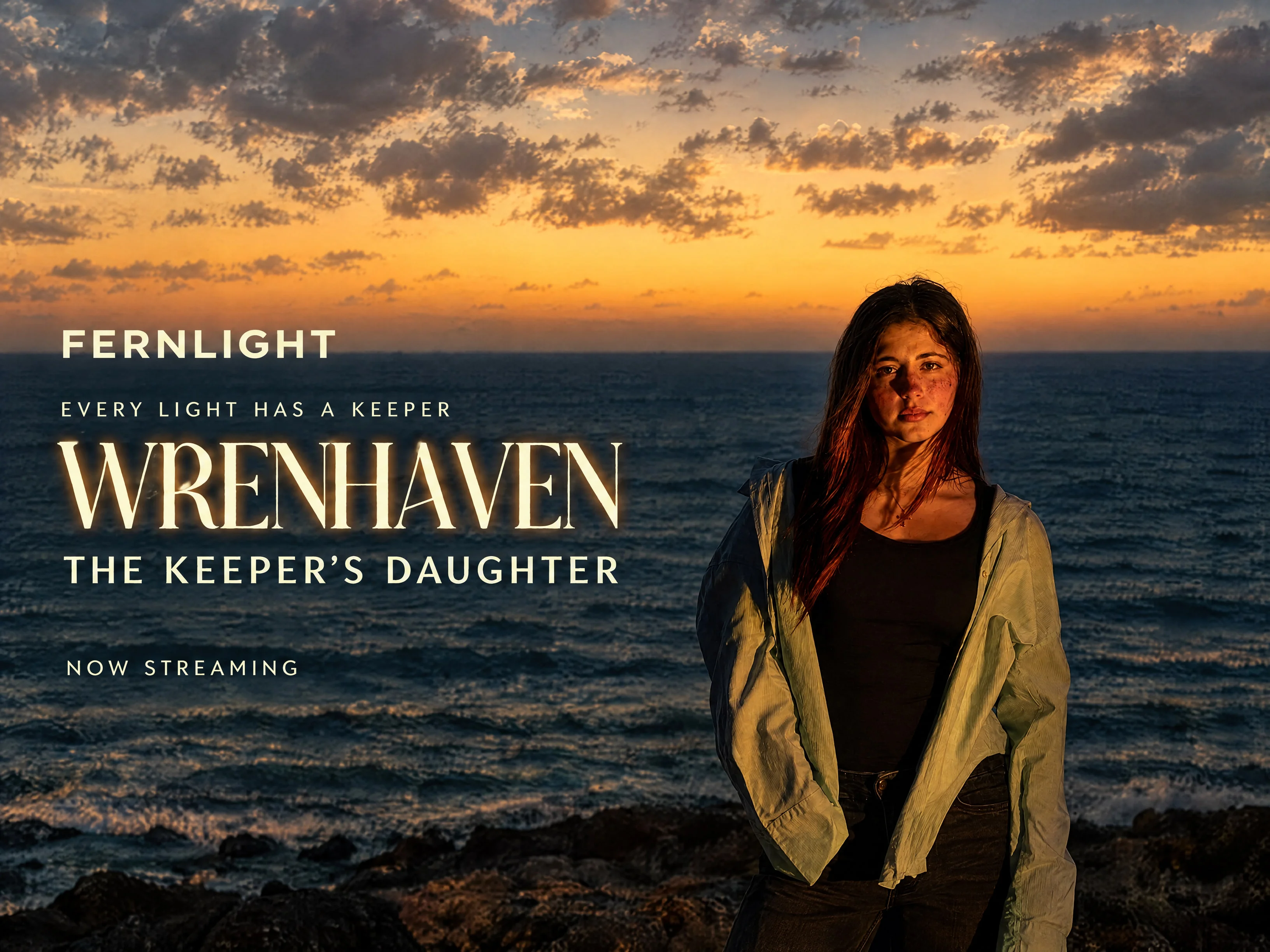
Ad Resizer lays the Wrenhaven key art out as a 3840 × 2160 TV home banner, redrawing the portrait for the wider frame. One precise edit then turns that banner into the frame a viewer sees on pause. The left side darkens to deep navy behind the lettering, the tagline is removed, and a sponsor slot, a play symbol and a resume prompt replace the date line. The darkening reaches the sky above and beside her head, while she and the sea to her right keep the banner’s own pixels.
Explore the complete studyCompare the banner and the pause ad
Pause ad
This is the pause ad, made from the TV home banner with one precise edit.
Broadcast ad sales
Give one approved ad a version for every affiliate city.
Alameda, a fictional broadcaster, sells TV and streaming ads to small businesses in each of its affiliate cities. The approved Monterrey card becomes versions for Mérida, Querétaro, León, Cancún and Torreón. Only the city name changes, and each accent is set correctly.
Explore the complete studyExplore the cities
Monterrey
This is the approved card.
Sports promotion
Carry one promotion to the next competition.
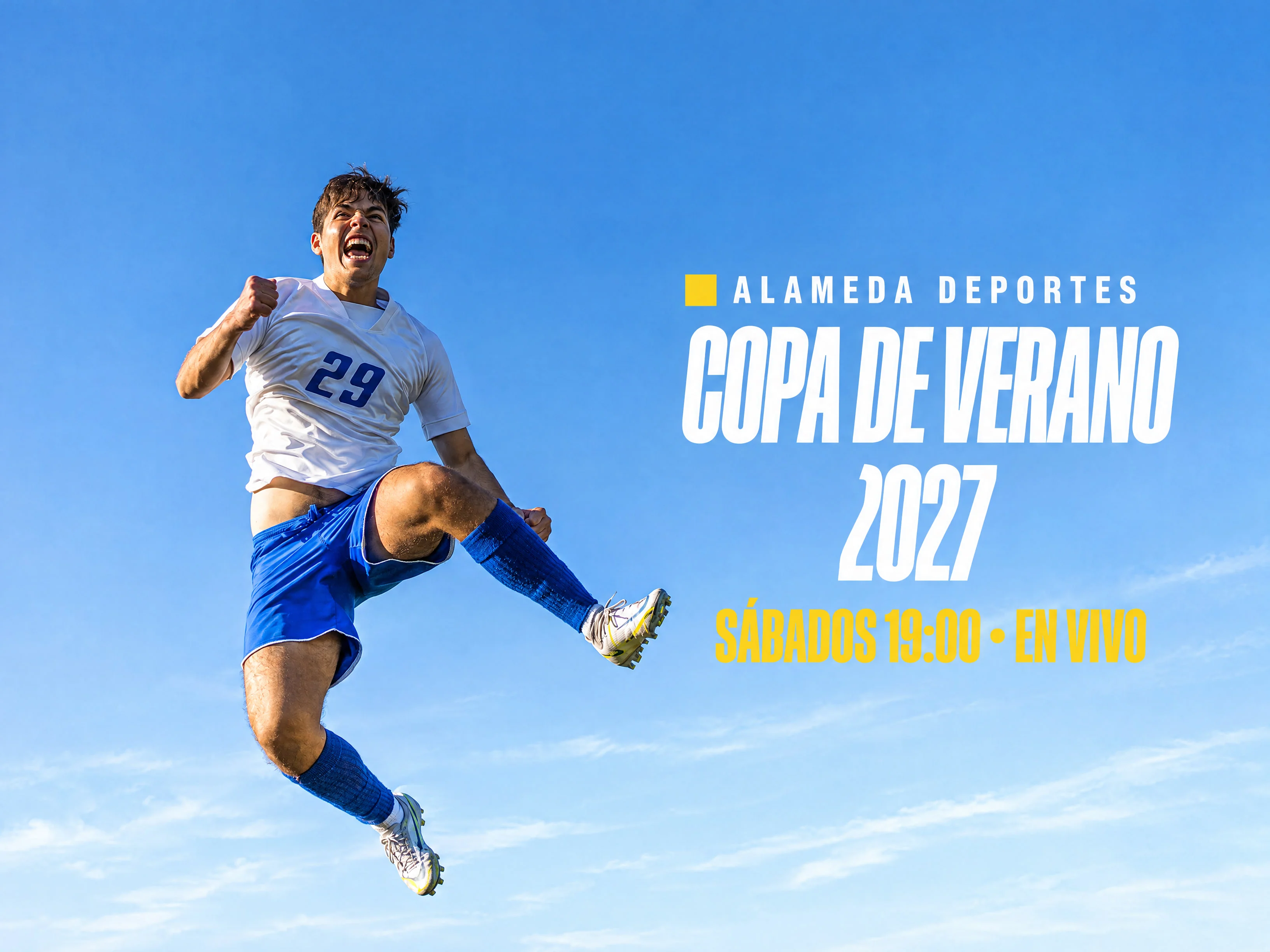
Alameda Deportes, the broadcaster’s fictional sports channel, promotes the Copa de Verano with a player leaping against a clear sky. Two precise edits move the promotion to the Copa de Invierno and the Copa del Norte with a new title, schedule and accent color, while the player and the sky keep their pixels.
Explore the complete studyExplore the competitions
Copa de Verano
This is the published promotion, with yellow accents and the Saturday 19:00 slot.
Take a closer look
Open the complete studies.
Each one holds the full references, comparisons and interactive examples.
One key art, 25 edits, 8 markets
Follow the Wrenhaven key art from a licensed photograph through 25 edits in a row, inspect its edit-area maps and her face up close, and compare eight markets.
One key art for every screen
Compare five Ad Resizer placements of one key art for the TV, the app and social feeds, each at its exact size, then turn the TV banner into a pause ad.
Affiliate cities and competitions
Follow one approved Alameda ad card into five affiliate cities, then carry a sports promotion and its player to two more competitions.
Built around your team
Your creative standard.
A workflow to match.
Every step builds on your imagery, your references and the work your team needs to deliver.
- 01
Bring the approved art
Start with the published key art, posters and ad cards, plus the market titles and placements the release needs.
- 02
Edit, localize and resize
Write each change as an instruction, set the title treatment for every market and let Ad Resizer lay the art out for each placement.
- 03
Check every version
Compare each version with the approved art, read the edit-area maps and have native speakers review every market title.
Frequently asked questions
Does her face change across the 25 edits?
No instruction in the sequence touched her face, and each edit was applied to the previous result. After edit 25, every pixel in her face matches the published key art exactly. The complete study shows both crops side by side with an edit-area map, where the only lavender is on her jacket, recolored in edit 4.
Which languages appear in the title treatments?
The market versions cover English, Latin American Spanish, Brazilian Portuguese, French, German, Japanese, Korean and Arabic, which is set right to left. Ideogram sets the lettering as part of the image, including accented capitals such as É, Ä and Í. Have native speakers review every title before release.
Does Ad Resizer crop the key art?
Ad Resizer does not crop. It generates each placement at its exact pixel size and lays the portrait, title and date line out again for that shape. In doing so it redraws her face, hair and jacket rather than copying them, so check every placement against the approved art. The complete study shows the Wrenhaven key art as a 3840 × 2160 TV home banner, a 3840 × 1280 app home hero, a story, a feed post and a square post. Review each output against current delivery specifications.
Can we make city, sponsor and market versions at scale?
Each city version is a text-only edit of the approved card, and the sponsor slot is one edit of the approved banner. The same edits can run through the Ideogram API for every affiliate, sponsor and market a campaign needs, and each result can be checked against the approved art with an edit-area map.
Where can our team use these tools?
Every edit and placement on this page was made through the Ideogram API, so a production team can run the same edits across a full release from its own pipeline. Talk with our team about connecting the API to your creative tools.
How were these examples made?
The key art, the ad card and the sports promotion start from free-licensed photographs from Unsplash. Ideogram made every edit, including the extension of the key art photograph, the title treatments, the 25-edit sequence, the market versions, the pause ad, the city versions and the competition versions, and Ideogram’s Ad Resizer made the placements. Each edit-area map marks the pixels whose color changed by more than 12 of 255 levels after a slight blur, so smaller changes, such as faint smoothing of the sea around re-edited lines, are left unmarked. Fernlight, Wrenhaven, Alameda, Alameda Deportes and the competitions are fictional. The people pictured are not actors, vendors or athletes for these brands and do not endorse them.
More in Media, Services & Platforms
Explore related industries.
Let's shape what comes next
Take the next release to every market and screen.
Talk with our team about key art edits, title localization and placements for streaming and broadcast.