
8 Best AI Image Generators for Consistent Characters (2026)
Ideogram kept our characters the same in six images out of six, and spelled the book title correctly on the cover. Mira is the lead character we drew for this test: curly red hair in two puffs, round green glasses, freckles and a yellow raincoat.
Gemini matched Mira on three pages and kept two children apart. ChatGPT got the cover right, then gave a second child Mira’s freckles. If your hero changes by page three, the results below show what holds. We ran the same three characters through Ideogram, Gemini and ChatGPT, then compared five more generators on how each keeps a character, what you get free and what it costs.
Overview : Which AI image generator is best for consistent characters?
Quick answer: Ideogram is our pick for consistent characters. It passed all six images, five of them on the first try, including the cover with an exact five-word title.
| You’re making | Pick | Why |
|---|---|---|
| A cover, poster or label with exact text | Ideogram | Five-word title correct, both characters match |
| A children’s picture book | Ideogram or Gemini | 3 of 3 pages matched in each |
| Two characters in one scene | Ideogram or Gemini | Each child kept their own traits |
| A mascot or nonhuman character | Ideogram or Gemini | Fur, tail tip and satchel matched |
| A character you refine by chat | Gemini or ChatGPT Images | References and edits in one chat |
| A cartoon storybook | Neolemon | Separate pose, expression and outfit editors |
| A long series | Ideogram custom models, Leonardo or OpenArt | Train a model on your own images |
ChatGPT also passed the cover, with the title spelled correctly.
Overview : AI image generators for consistent characters compared
The eight tools split into two groups: those that work from reference images straight away, and those that also let you train a model on your character.
| Tool | How it keeps a character | Free access | Paid plans from | In our hands-on test |
|---|---|---|---|---|
| 1. Ideogram | 1 to 5 tagged references; custom models | 30 credits a week | $20 a month (Plus) | Yes, 6 images |
| 2. Midjourney | Edit Model (V8); Omni Reference (V7); Character Reference (V6) | No free trial | $10 a month (Basic) | No |
| 3. Google Gemini | References in chat; up to 5 characters | Nano Banana 2 without a plan | $4.99 a month (Google AI Plus) | Yes, 5 images |
| 4. ChatGPT Images | References in chat, edits by message | A limited number of images | $20 a month (Plus) | Yes, 2 images |
| 5. Leonardo | Character Reference; trained Elements | 150 tokens a day | $12 a month (Essential) | No |
| 6. OpenArt | Saved characters; custom character model | 40 credits for new accounts | $14 a month (Starter) | No |
| 7. FLUX | Up to 10 reference images | 100 playground credits | From $0.03 per megapixel | No |
| 8. Neolemon | Base character plus editors | 20 trial credits | $29 a month (Creator) | No |
Plans change, so check each price page before you pay.
Overview : How we tested character consistency
We made three characters, gave the same reference images to all three tools we tested, and asked for six images with the same prompts. An image passed only if the character still matched the reference.
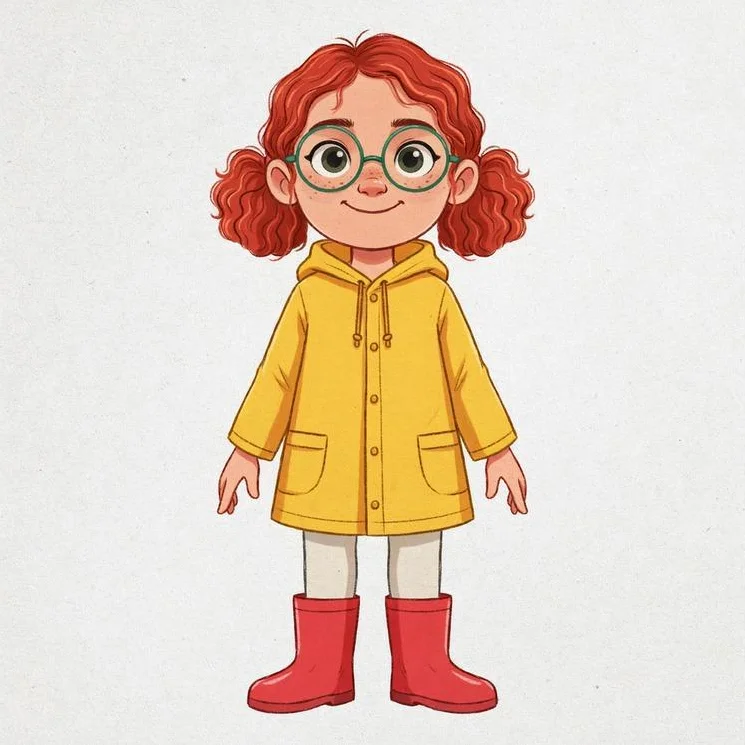
Mira
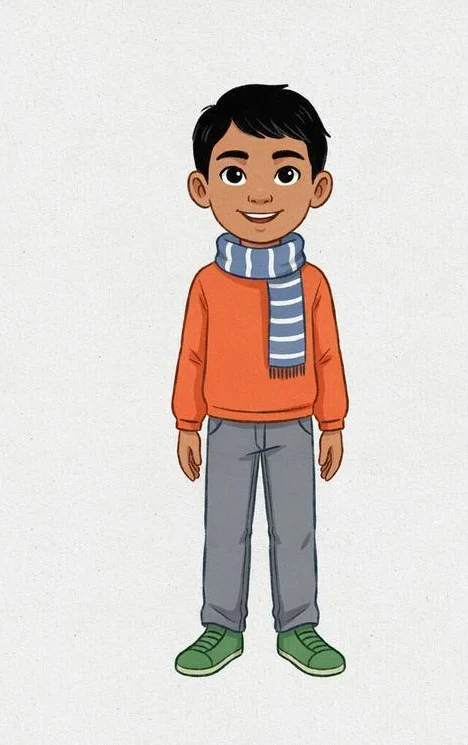
Theo
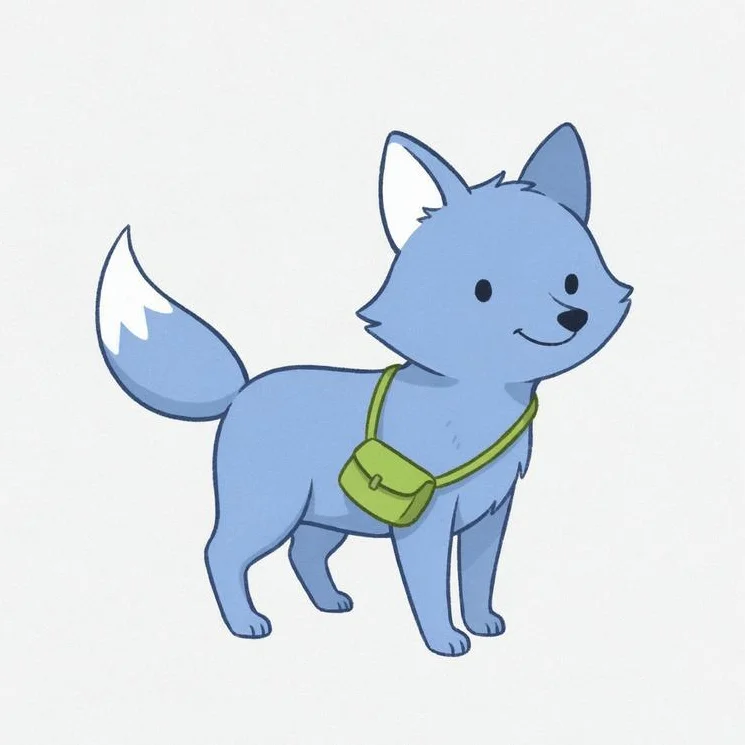
Pip
The six images
- Storybook page 1: Mira kneels in a garden planting seeds, seen from the side.
- Storybook page 2: Mira runs through puddles on a city street at dusk, seen from the front.
- Storybook page 3: Mira reads in a blanket fort in star pajamas, in close-up.
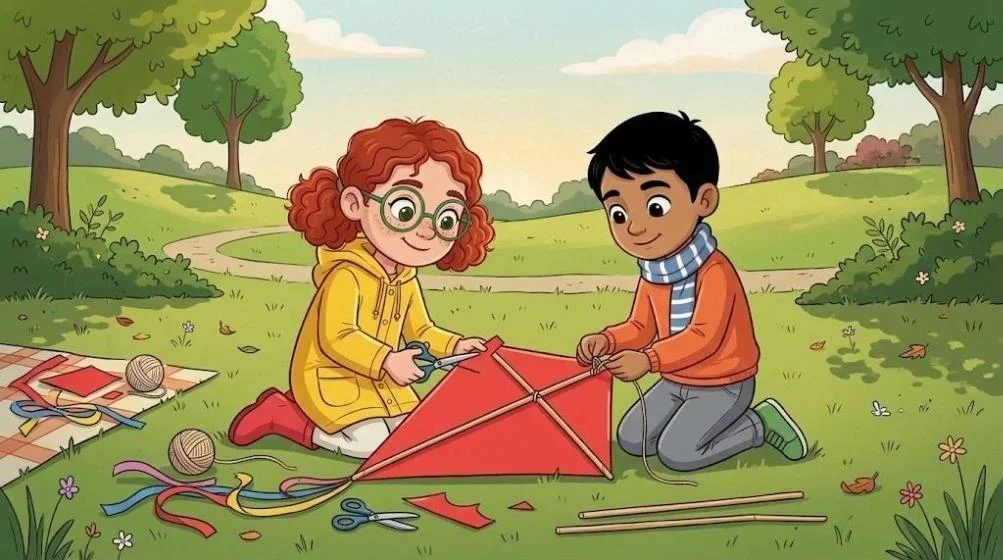
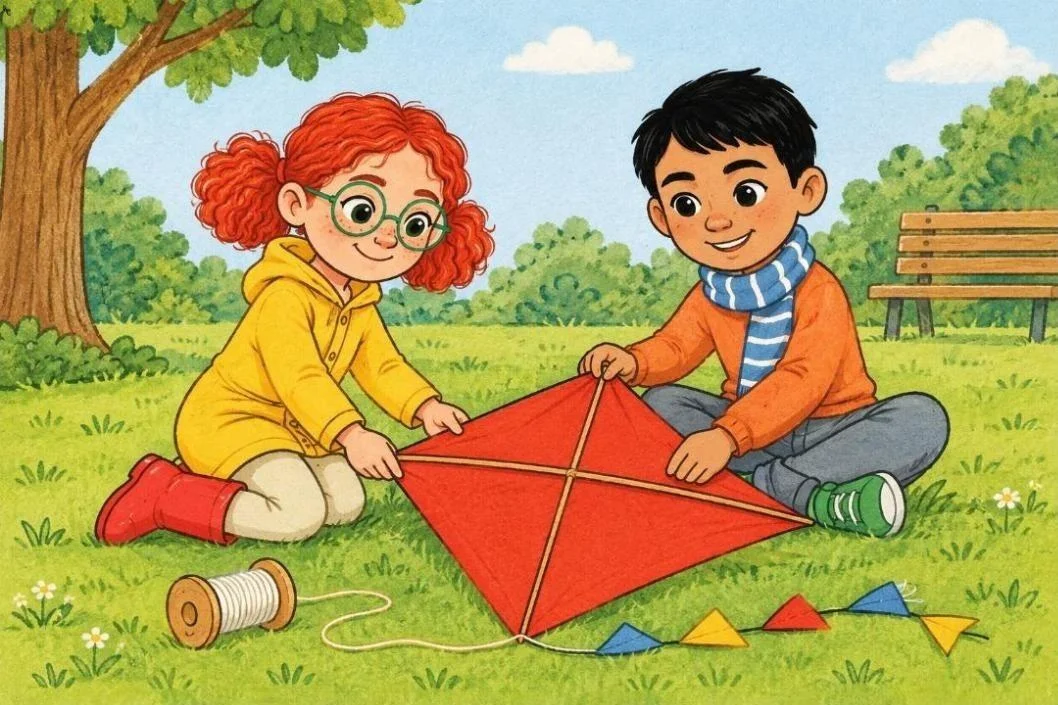
- Two characters: Mira and Theo build a red kite in a park.
- Mascot: Pip sits on a mossy log in a moonlit forest.
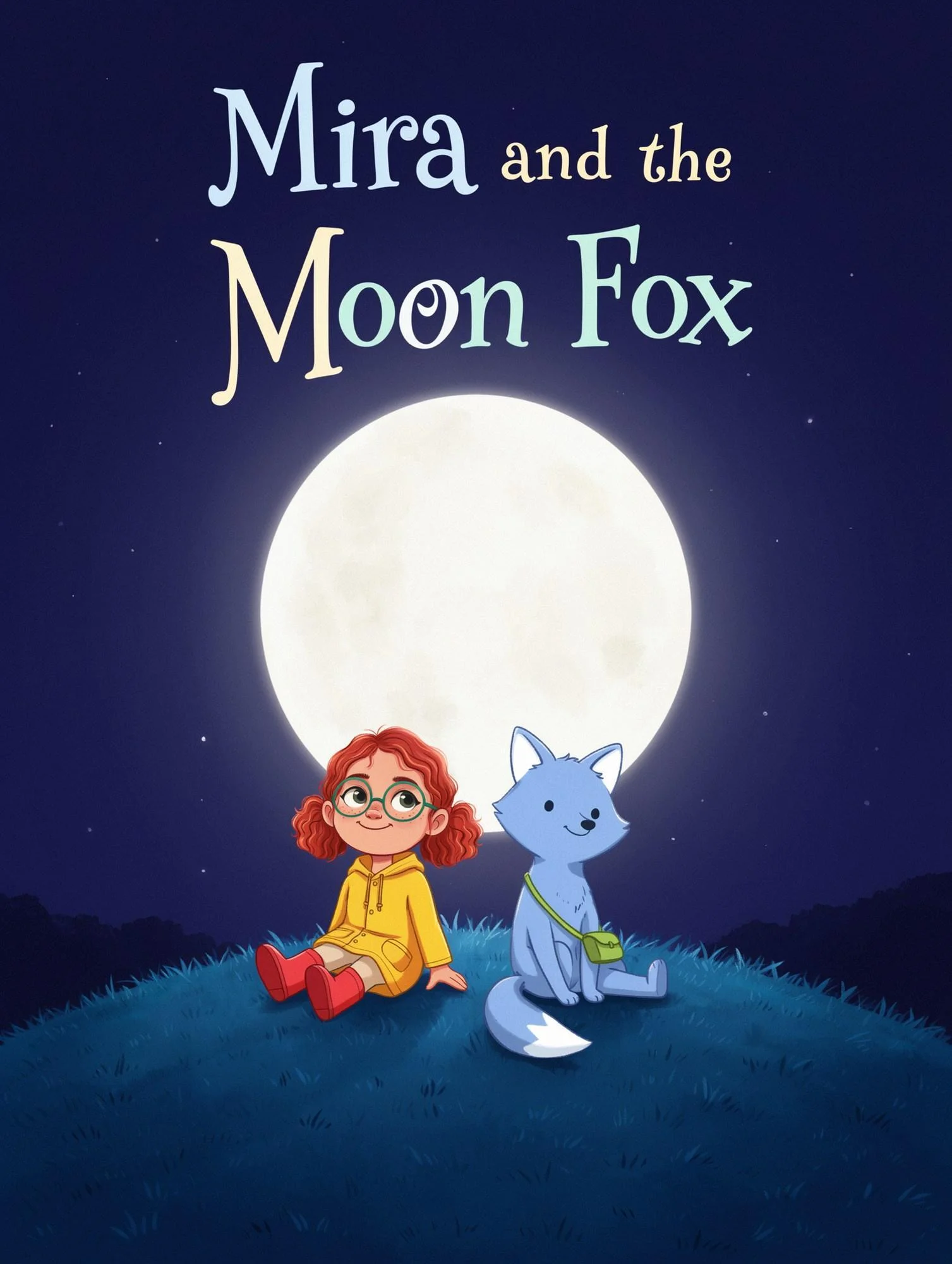
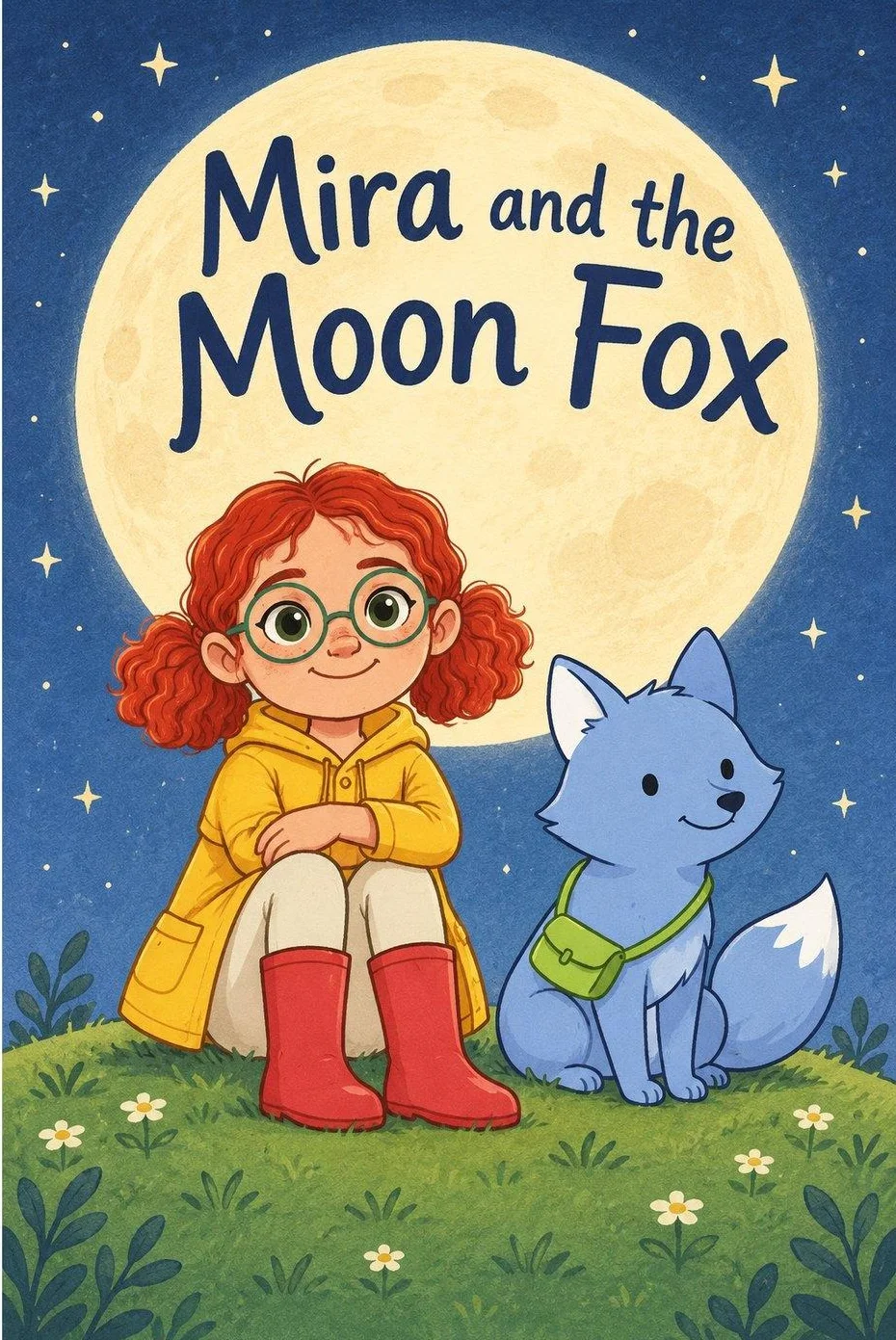
- Cover with text: Mira and Pip sit under a full moon, with the title “Mira and the Moon Fox”.
What counted as a pass
- Mira: Her face, hair in two puffs, green glasses and freckles match. On pages 1 and 2 the yellow raincoat and red boots match too.
- Two characters: Each child keeps their own traits, and none move to the other child.
- Pip: His blue fur, white tail tip, face and green satchel match.
- Cover: Both characters match and all five title words are spelled correctly.
Results
| Job | Ideogram | Gemini (free plan) | ChatGPT (Free plan) |
|---|---|---|---|
| Storybook pages | 3 of 3 | 3 of 3 | Not run: image limit reached |
| Two characters | 1 of 1 | 1 of 1 | 0 of 1: Theo picked up Mira’s freckles |
| Mascot | 1 of 1 | 1 of 1 | Not run: image limit reached |
| Cover: likeness and title | Both characters match; title correct | Not run | Both characters match; title correct |
Every Ideogram and ChatGPT result is a first try, except Ideogram’s two-character scene, which we ran a second time after cropping a printed name off Theo’s reference image.
Overview : The 8 best AI image generators for consistent characters, reviewed
Ideogram, Gemini and ChatGPT are reviewed from our own images. The other five are described from their own product pages, help centers and pricing pages.
Tool 1 : Ideogram: best for consistent characters with exact text
What we did: In the Image app we chose Ideogram 4.5, added Mira from the Library as a reference image, and typed @ in the prompt to tag her. The tag appears as @img_1. Quality was set to High and Magic Prompt was off. The full walkthrough is in how to create a consistent character in Ideogram.
The storybook pages: Mira matched on all three. The side view kept her glasses and freckles in profile. On page 3 we asked for star pajamas, and her face, hair and glasses stayed the same while the raincoat changed as asked.
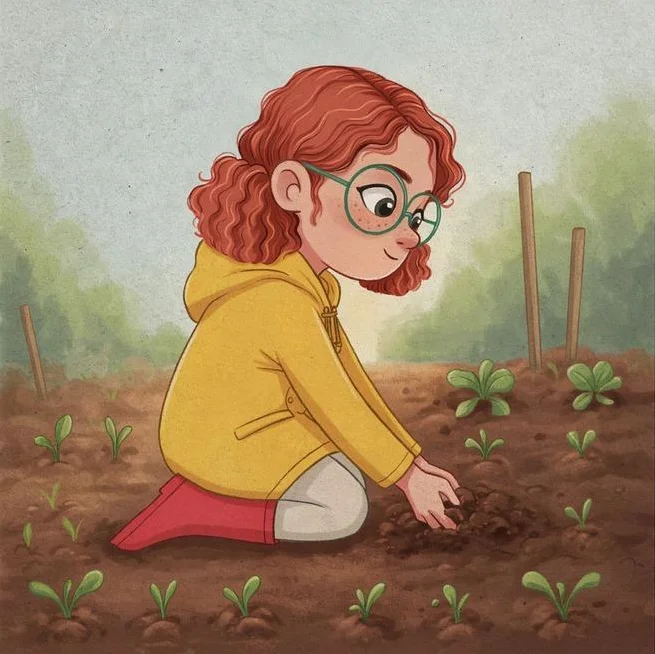
Page 1
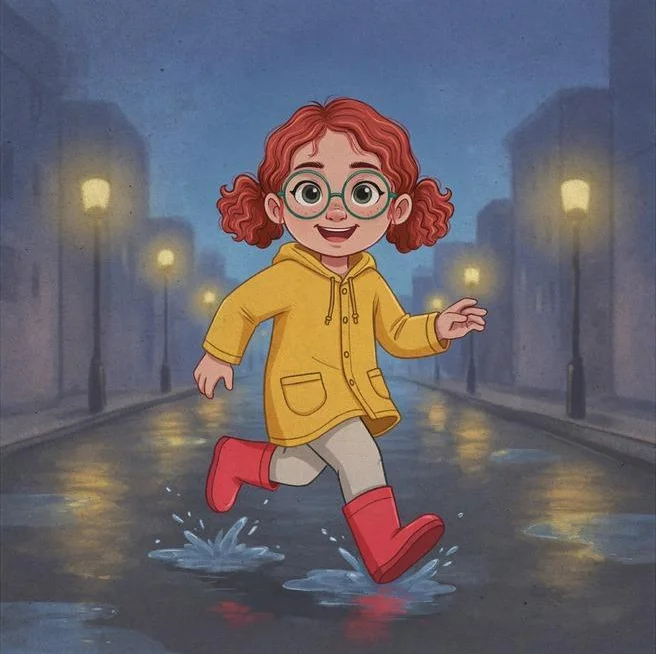
Page 2
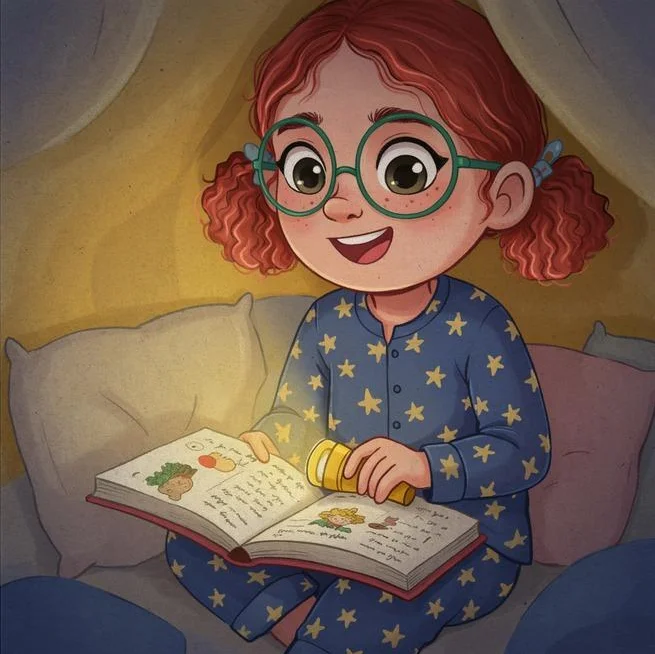
Page 3
The cover: We attached Mira and Pip, tagged both, and asked for the title in hand-lettered text. It came back as “Mira and the Moon Fox” with every letter correct, which is the job Ideogram’s text rendering is built for. If a word had come back wrong, editable text layers change the word and leave the characters as they are.
Two characters: Mira and Theo stayed separate. She kept her red hair, glasses and raincoat; he kept his black hair, orange sweater and striped scarf.
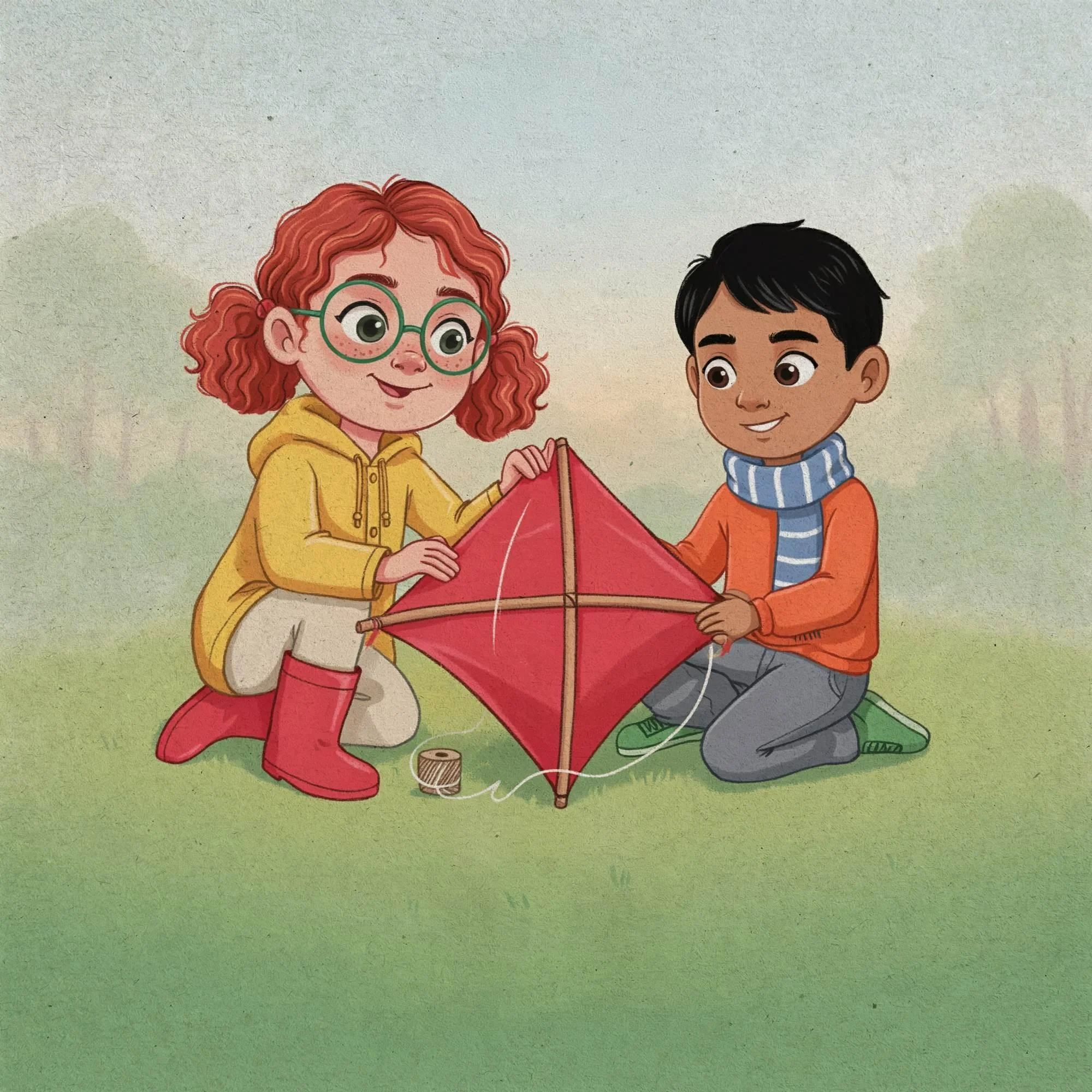
Two tips came from this run:
- Check each tag: With two references attached, the @ menu highlights one image first. Read the tags before you generate, so “the girl Mira” points at Mira.
- Use references with no text in them: Our first Theo reference had his name printed in a corner, and the first kite scene carried it across. We cropped the name off and ran the scene again, which is the image shown here.
The mascot: Pip kept his fur color, tail tip and satchel in a new pose and a night scene.
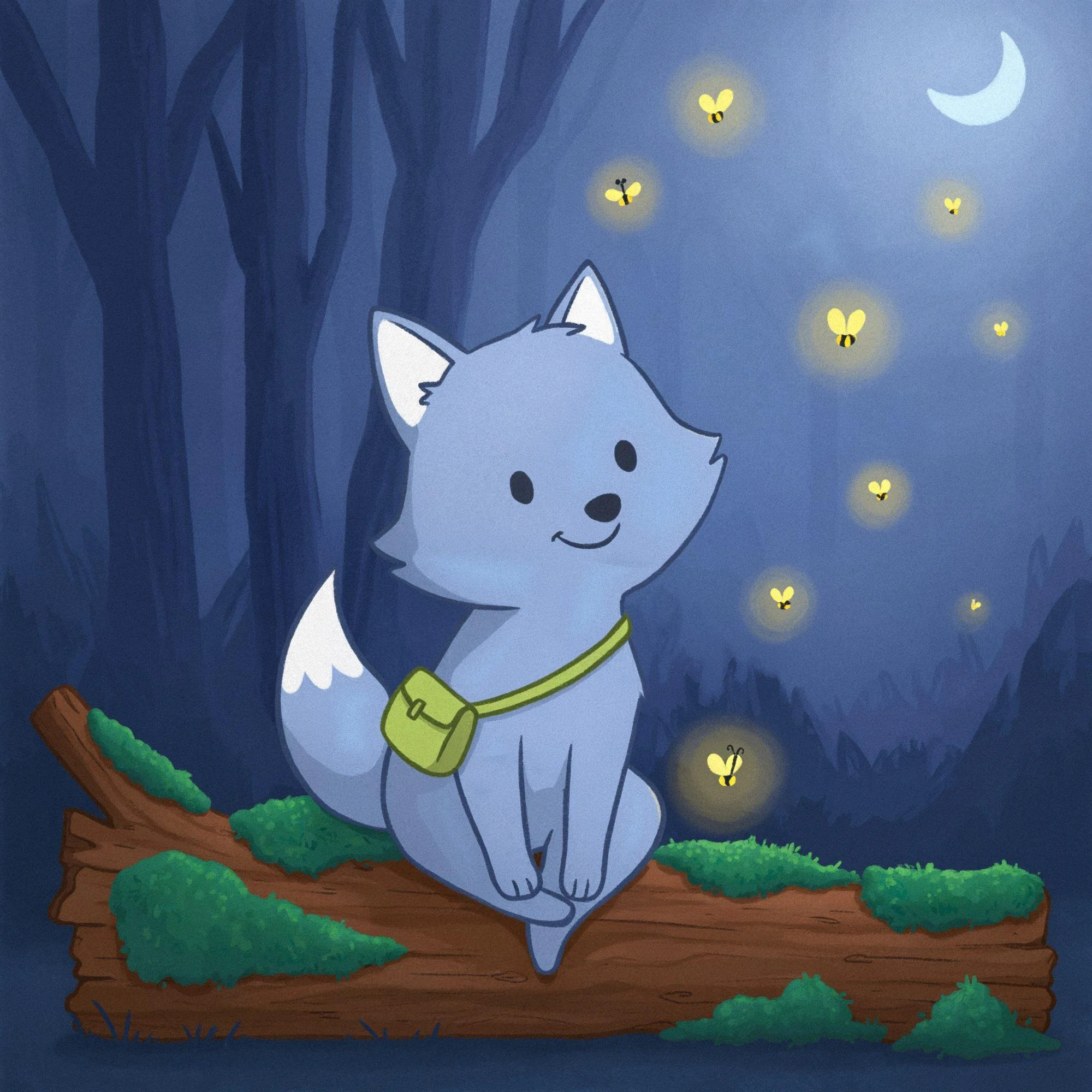
Changing an outfit later: For an image you already like, Precise Edit changes a marked area such as a coat and leaves the rest alone.
For a long series: You can save a character to your Library, or train one of our custom models on 15 to 100 images of your character. Custom models are available on Pro and Team.
For developers: Ideogram 4.5 accepts up to five reference images through the API, and the Ideogram 3.0 Character endpoint takes one character reference image.
Price: Each test image cost 22 credits at High quality with references, so the six images used 132 credits. Plus is $20 a month with 2,400 priority credits, and the free plan gives 30 credits a week. All plans are on Ideogram plans and credits.
Tool 2 : Midjourney: best known for its art style
Reference features: Omni Reference places a subject from a reference image into a new image, using the --oref parameter and a weight from 1 to 1,000. It is a V7 feature. Character Reference (--cref) works with V6 and Niji 6.
Version to check: V8.2 is Midjourney’s default model, and its Edit Model takes up to four reference images in place of Omni Reference and Character Reference. Omni Reference works only with the version set to V7, so confirm which model your prompt is using before you rely on a reference.
Price: Basic is $10 a month, Standard $30, Pro $60 and Mega $120. There is no free trial on the website or Discord.
Tool 3 : Google Gemini: best for editing a character by conversation
What we did: In the Gemini app on the free plan, we attached the same reference images in a chat and sent the same prompts. The three storybook pages ran in one chat.
The storybook pages: Mira matched on all three, with her hair, green glasses, freckles, raincoat and boots in place, and star pajamas on page 3. Gemini made every image in a wide format.
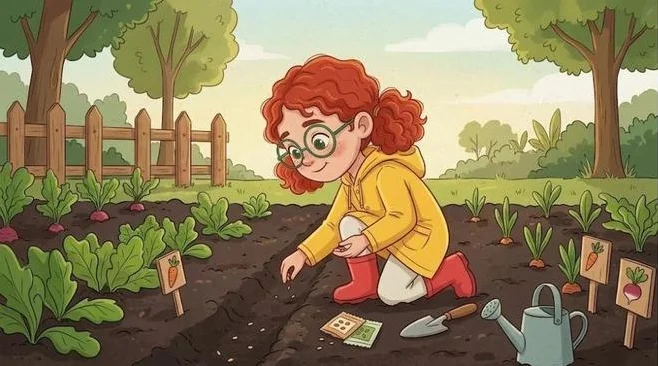
Page 1
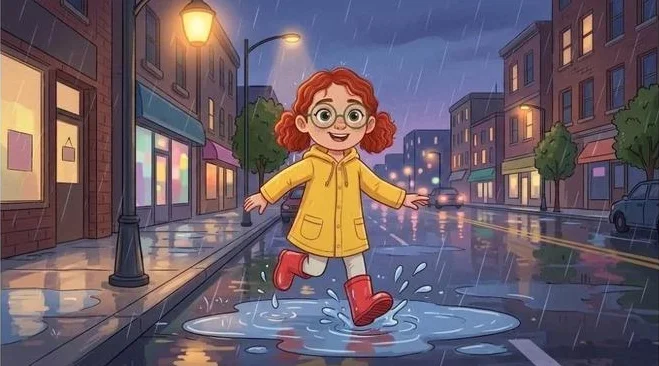
Page 2

Page 3
Two characters and the mascot: Mira and Theo kept their own traits in the kite scene, and Theo has no freckles. Pip kept his blue fur, white tail tip and green satchel.
Models: The Gemini app uses Nano Banana 2 as its free image model. Nano Banana 2.1 needs a Google AI plan, and paid plans can redo an image with Nano Banana Pro.
Characters: Google says these models keep a person or character looking the same across images, and its launch post for Nano Banana 2 gives a limit of up to five characters in one workflow.
Price: Image generation with Nano Banana 2 works without a plan. Google AI Plus is $4.99 a month and Pro is $19.99.
Tool 4 : ChatGPT Images: best if you already work in ChatGPT
What we did: On the Free plan we attached the same reference images in a chat and sent the same prompts.
The cover: Mira and Pip both matched, and the title read “Mira and the Moon Fox” with every letter correct.
Ideogram
ChatGPT
Two characters: Hair, glasses and clothes stayed with the right child, but Theo gained freckles that only Mira has in the references. The drawing also moved from flat color to a crayon texture.
The limit: After two images the Free plan replied “You’re out of images” and offered more the next day. Plan a six-image set across more than one day, or use Plus at $20 a month.
Tool 5 : Leonardo: best for training your own character model
Reference options: Character Reference works from one image at a time, with a strength setting from Low to High. Leonardo’s Omni models accept up to six reference images.
Training: An Element is trained on 10 to 50 images. For a character, Leonardo’s guide suggests 8 to 12 face close-ups plus some body shots.
Price: The free plan gives 150 tokens a day, and its images are public. Essential is $12 a month and Premium is $30.
Tool 6 : OpenArt: best for building a character from presets
Saved characters: You create a character from a reference image, a text prompt or the Character Builder’s presets, then reuse it. A Multi-View option makes nine angles from one image.
Custom character model: It is trained on 4 to 100 sample images.
Price: New accounts get 40 free credits. Starter is $14 a month and Plus is $34. Commercial use needs Plus or higher.
Tool 7 : FLUX: best for developers who want control
References: FLUX.2 accepts up to 10 reference images in the playground and up to 8 through the API.
Where to use it: Black Forest Labs offers a playground and an API, and publishes open weights for its [dev] and [klein] models if you want to run or fine-tune one yourself.
Price: The playground gives new users 100 free credits, and a credit costs $0.01. Through the API, FLUX.2 [pro] starts at $0.03 per megapixel.
Tool 8 : Neolemon: best for cartoon storybooks
How it works: You make one base character in Character Turbo, then use separate editors for action, expression, perspective, outfit and background. A Multi-Character tool combines characters in one scene.
Styles: Neolemon is built for cartoon and illustrated characters, including 3D, anime, 2D and watercolor looks. It does not make photorealistic people.
Price: A free trial gives 20 credits. Creator is $29 a month for 600 credits and includes commercial use.
Reference : How to keep a character consistent in any tool
These four habits come from the run above.
- Give each character their own clean reference: Use one full-body image on a plain background, with no text in it.
- Name the fixed traits in every prompt: We listed Mira’s hair, glasses, freckles, coat and boots each time.
- Say what may change: On page 3 we asked for pajamas and left the coat out of the “keep” list, so only the outfit changed.
- Compare the last image with the reference: Check the small traits, such as freckles and markings, because those are the first to move.
Choosing a reference image: Our Character page explains what makes a good character reference image.
Reference : When a reference image is enough, and when to train a model
Reference images were enough for our six-image set in Ideogram. Training pays off when a character has to hold across a long series.
| Method | What you give the tool | Where |
|---|---|---|
| Reference image | 1 to 5 images | Ideogram 4.5 |
| Trained model | 15 to 100 images | Ideogram custom models |
| Trained model | 10 to 50 images | Leonardo Elements |
| Trained model | 4 to 100 images | OpenArt custom character |
| Open weights | Your own fine-tune | FLUX.2 [dev] and [klein] |
Reference : How much does a consistent character cost to make?
In Ideogram the set used 132 credits: 22 per image at High quality with references. Plus costs $20 a month for 2,400 credits, so those 132 credits are worth about $1.10 of the plan. Lower quality settings use fewer credits per image.
Gemini’s five images were made on the free plan. ChatGPT’s two images were free, and its Free plan stopped there for the day.
Reference : Can you sell books and products made with these characters?
In most cases you can, and the rule differs by tool and plan.
- Ideogram: Our terms claim no ownership of what you make and do not restrict commercial use. More detail is in who owns the images you make in Ideogram.
- Midjourney: Subscribers can use their images commercially. Companies with more than $1 million in yearly revenue need Pro or Mega.
- OpenArt: Commercial use needs Plus or higher.
- Leonardo: Free and paid users can use images commercially, and free-plan images are public.
- Neolemon: The Creator plan includes commercial use.
Publishing on Amazon KDP: You must declare AI-generated text, images or translations when you publish or republish a book, and that includes cover and interior art. Amazon’s rule is in the KDP content guidelines.
Reference : Consistent character FAQ
Which AI image generator is the most consistent?
In our test, it was Ideogram. It passed all six images, five of them on the first try. We ran the two-character scene a second time, after cropping a printed name off Theo’s reference image. Gemini passed all five images we ran, and ChatGPT passed the cover but missed one detail in the two-character scene.
Which AI image generator handles two characters best?
Ideogram kept Mira and Theo apart in our kite scene, with each child tagged to their own reference image. Gemini kept them apart too. ChatGPT kept their hair and clothes separate and gave Theo Mira’s freckles. Google says Nano Banana 2 supports up to five characters, and Neolemon has a Multi-Character tool.
Is there a free AI image generator for consistent characters?
Several have free access. Ideogram gives 30 credits a week, Gemini includes Nano Banana 2 without a plan, Leonardo gives 150 tokens a day, and the FLUX playground starts with 100 credits. ChatGPT’s Free plan made two images for us before its daily limit. Midjourney has no free trial.
Do I need to train a LoRA to keep a character consistent?
No, a short set doesn’t need one. Our six images in Ideogram used reference images only. Training helps for a long series: Ideogram custom models take 15 to 100 images, Leonardo Elements take 10 to 50, and OpenArt’s custom character takes 4 to 100.
Can I use the same character in an AI video?
Yes, you can. Start from a still image of your character and use it as the first frame of the clip. In Ideogram, the steps are in our guide to creating videos from an image.
Have a character in mind?
Create it in Ideogram from one reference image.